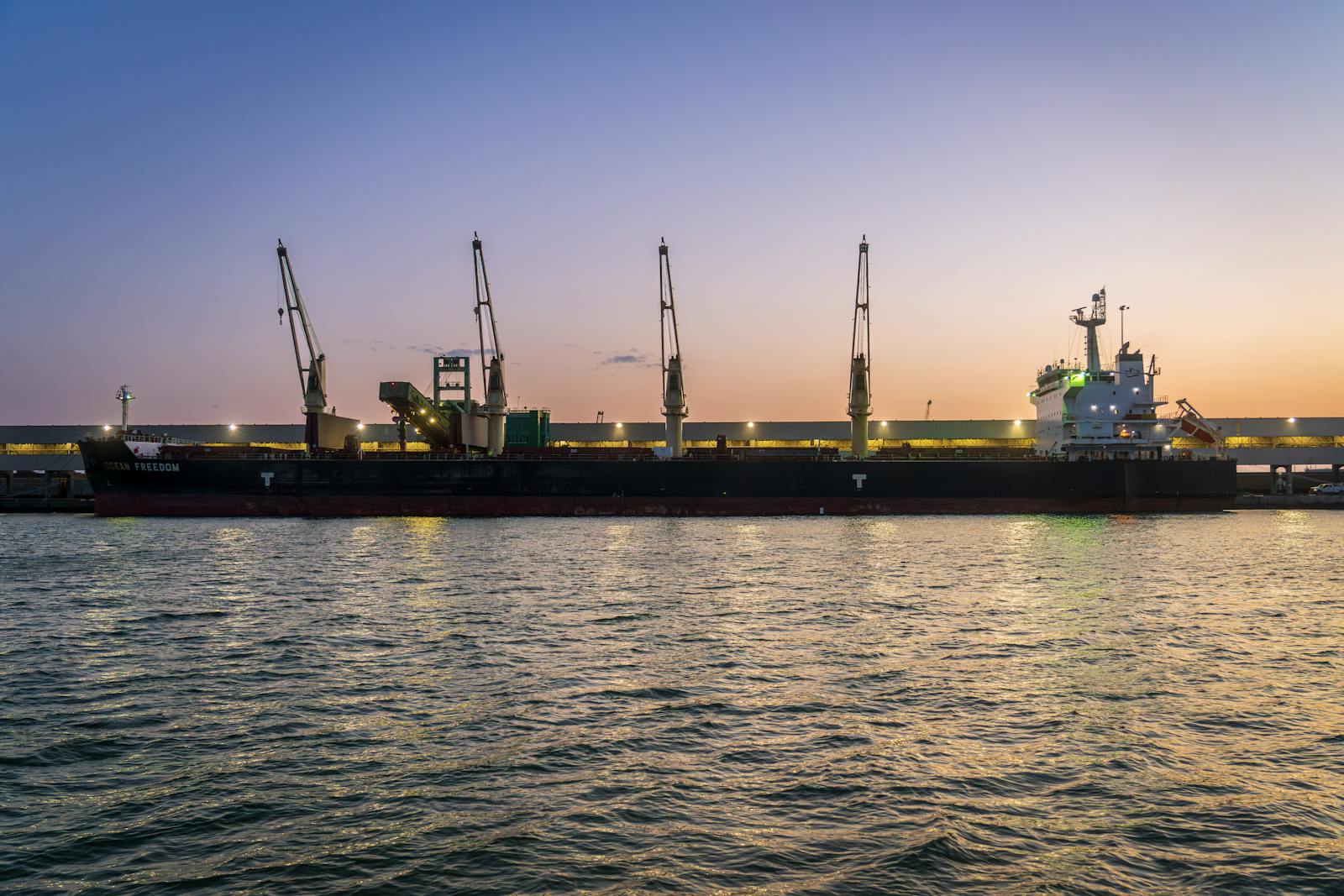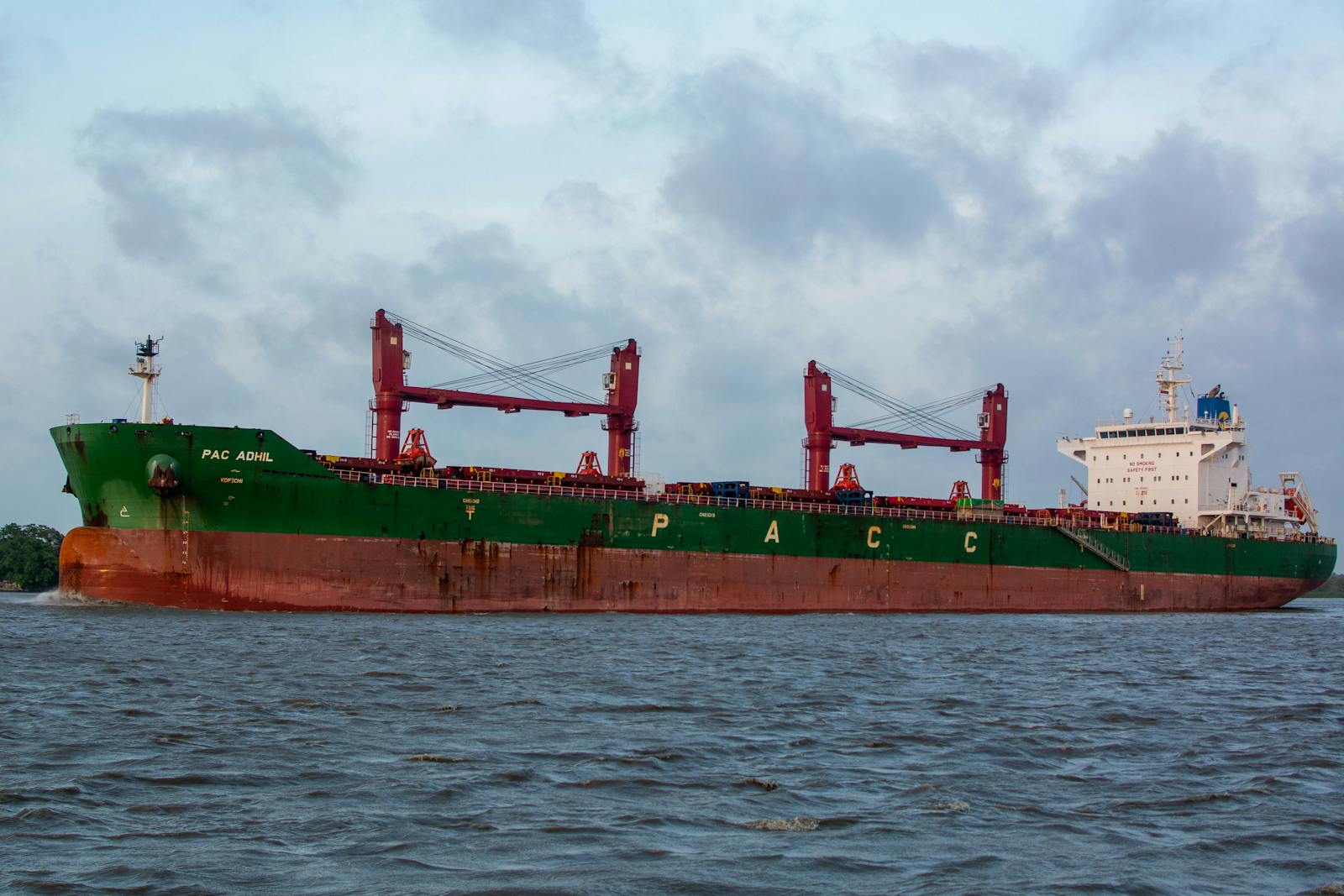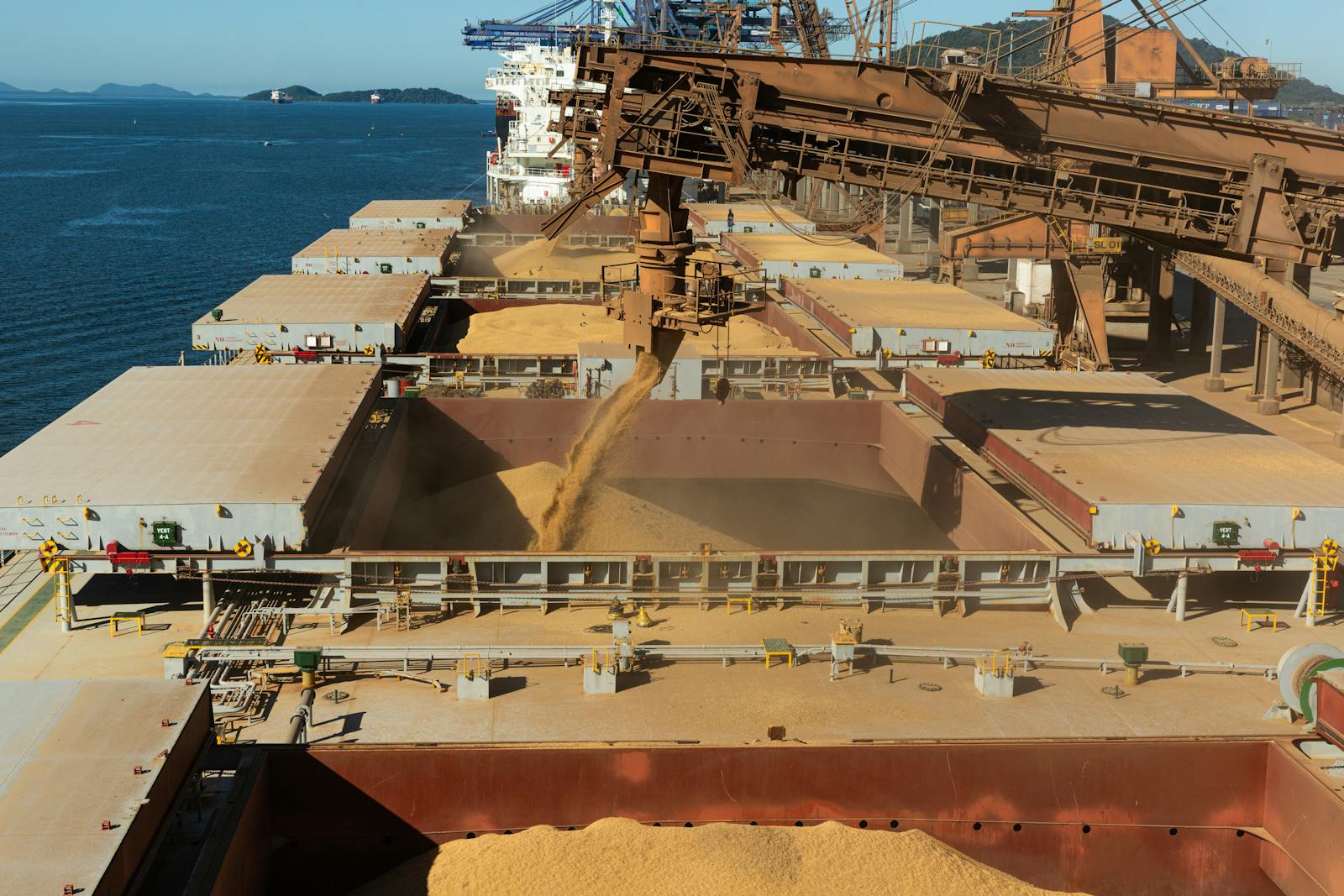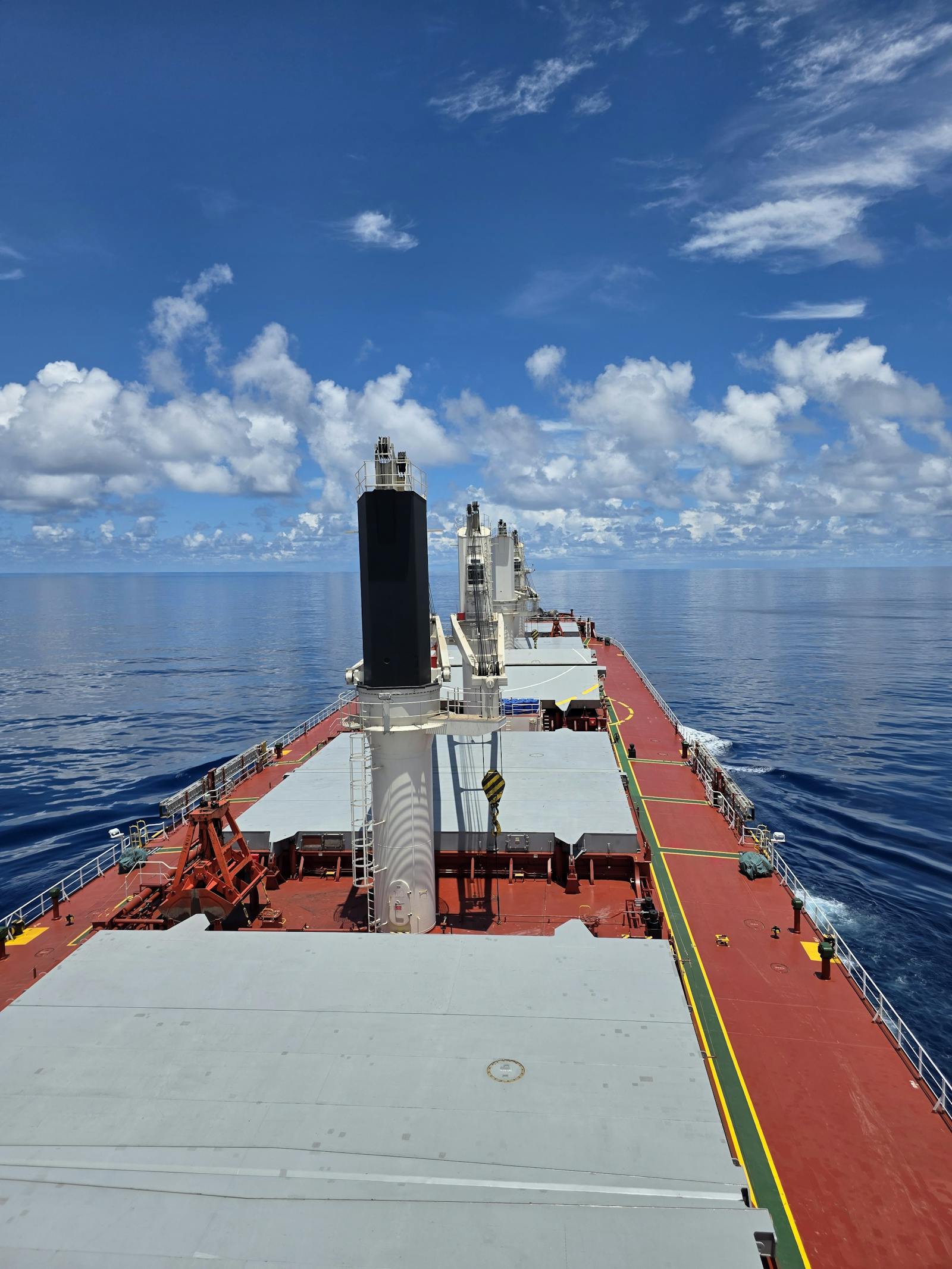
The Panama Canal, historically the most efficient corridor between Atlantic and Pacific basins, has seen prolonged disruption through 2025 and into 2026. For dry bulk operators, this has meant longer voyages, rerouted trade flows, and a fundamental rethink of capacity planning.
The shift in routing patterns
Sample placeholder content. With Panama drought-related transit restrictions persisting, more dry bulk fixtures are routing via the Cape of Good Hope or transhipping in regional hubs. Handysize vessels in particular have benefited from increased demand on shorter, regional substitution routes.
This is filler copy for the client to replace. The TransBridge market desk publishes detailed analysis on freight rate trends, route optimisation, and capacity outlook, drawing on insights from across our trade desks in the Indian Ocean, Pacific, Atlantic, Far East and Middle East.
What it means for the pool
For pool participants, the disruption has reinforced a core argument for the pool-point model: dispersion of route risk across a diverse fleet. Vessels positioned for opportunistic Pacific fixtures have captured rate premiums that single-vessel operators struggled to match.
- Average voyage durations on the East Australia–India lane have lengthened by 4–6 days year-over-year.
- Spot rates on substitution routes have firmed materially, particularly for geared tonnage.
- COA programs with TransBridge pool participation have insulated charterers from spot volatility.
Looking ahead
Sample content. As infrastructure investments at the Panama Canal Authority advance and ENSO patterns normalise, transit capacity is expected to recover progressively through late 2026. In the interim, operators with flexibility, Handysize, Supramax, and well-positioned Panamax tonnage, will continue to benefit from the structural shift.
For owners considering pool participation in this environment, the TransBridge chartering desk would be pleased to walk through specific scenarios.
Want the full briefing?
Get in touch for detailed route analysis and freight forecasts.